Bathroom Remodel in a Humid Climate: Ventilation, Waterproofing, and Materials That Last
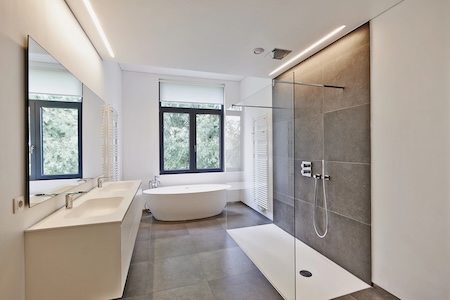
Gulf Coast humidity is tough on bathrooms. If you want a space that looks great years from now, your plan needs the right ventilation, a true waterproofing system behind the tile, and materials that stand up to moisture and salt air. At Shaffer Construction, our team delivers coastal-ready results on bathroom remodels across Pensacola and nearby communities.
In this guide, we break down what matters most for long-term performance. No fluff. Just practical choices that keep water where it should be and fresh air moving. If you are comparing ideas for a bathroom remodel in Pensacola, FL, use these points to shape a clear scope with your builder and avoid common pitfalls.
Why Humidity In Pensacola Changes The Bathroom Game
Pensacola lives with long, sticky summers, frequent afternoon storms, and salty breeze from the bay. That mix speeds up corrosion, swells wood, and feeds mold in dark, damp corners. Homes in East Hill, North Hill, Cordova Park, and Gulf Breeze often show the same story in older baths: foggy mirrors that never clear, peeling paint over the shower, and grout lines that darken too fast.
Design for this climate means you do three things well every time: move moist air out, block water at the shell before it reaches the studs, and choose finishes that resist swelling, rust, and mold growth. Do those three and the rest of your style choices have a stable base.
Ventilation That Actually Moves Moisture
A quiet fan that barely moves air is not enough here. You need real airflow sized for the room and ducting that lets moist air escape outdoors fast, even on stormy afternoons when the house is shut tight.
- Right-size the fan: a common rule of thumb is 1 CFM per square foot for standard 8-foot ceilings, with added capacity for larger rooms and enclosed water closets.
- Use a humidity sensor or timer so the fan runs long enough after showers to dry surfaces.
- Keep ducts short, smooth, and insulated to limit condensation inside the run.
- Always vent bath fans to the outdoors, never into the attic.
High ceilings, long duct runs, and multiple fixtures running at once can all change the target airflow. Your builder should confirm sizing, route a rigid or semi-rigid duct with a tight exterior cap, and seal every connection. Good ventilation also protects cabinets and trim finishes so they hold their look longer.
Waterproofing The Shower From The Studs Out
Tile and grout look solid, but they are not the waterproof layer. Your defense lives behind the tile. In our coastal weather, the shower should have a continuous waterproofing system that ties walls, pan, niches, and benches together without gaps.
Builders use different methods, but the key is continuity. A bonded waterproofing membrane or a foam board system designed as a complete assembly creates a tight envelope. Corners, seams, and fasteners must be sealed with manufacturer-rated products. Linear drains, benches, and cutouts need special attention so water cannot track behind the surface.
Use a complete, tested waterproofing system behind tile. Mixing parts from different systems can leave weak spots that only show up months later. Ask your builder to explain where the waterproofing starts and stops, and how it turns the corner at the curb, niche, and seat.
Mold-Resistant Materials That Stand Up To The Gulf Coast
Warm, wet air and daily showers create a perfect habitat for growth. Choosing the right materials reduces cleaning time and keeps surfaces bright. Look for labels that specify wet-area use, rust resistance, and low water absorption.
- Tile and surfaces: dense porcelain tile, large-format panels, or solid-surface slabs reduce grout lines and water absorption.
- Walls and backers: moisture-resistant backer boards paired with the chosen waterproofing system.
- Cabinetry: marine-grade plywood cores or composite materials with sealed edges; avoid raw particleboard in wet zones.
- Hardware: stainless steel (304 or 316), solid brass with quality plating, and powder-coated aluminum for coastal air.
- Sealants and grout: high-performance sealants and grout designed for wet areas; consider epoxy or other stain-resistant options.
Small upgrades matter. Solid-surface window stools, PVC or composite trim near tubs, and sealed cut edges under sinks all help. Seal all penetrations and edges to block moisture paths. This includes behind escutcheons, at shower valve openings, and where glass meets tile.
Fan Sizing And Ducting For Coastal Bathrooms
Right sizing is about more than a single number on the box. If your bath has a separate water closet, a steam shower, or a long duct path to an exterior wall or roof, the fan needs extra capacity. Quietness matters too. A low sone rating encourages people to run the fan long enough to dry the room, which cuts down on mildew and odors.
Ask your builder to consider boosts for long ducts, backdraft dampers that shut tight in windy conditions, and a weather cap that resists salt corrosion. Choose materials rated for wet areas and mold resistance. That includes the duct, fasteners, and exterior vent cover.
Design Choices That Help In A Humid Climate
Good design makes the science work harder. Glass that stops short of the ceiling allows steam to escape when the fan runs. Open shelving near the shower should be kept out of the direct spray line. Curbless showers with properly pitched floors move water to the drain faster, so surfaces dry between uses.
Lighting choices matter too. Damp-rated trims in showers and over tubs, sealed junctions, and fixtures with corrosion-resistant finishes reduce maintenance. Consider a mirror defogger on the main vanity to limit wiping and keep the space crisp on busy mornings.
Shower Waterproofing Details That Prevent Hidden Damage
Showers fail where water sneaks behind the tile. Corners, benches, and niches are the usual suspects. A continuous membrane, flood testing of the pan before tile, and sealed fasteners around glass clips go a long way. Silicone at change-of-plane joints helps the system flex without cracking.
In older homes from North Hill or Ferry Pass, we often find past work that relied on grout and cement board alone. That invites slow leaks and mold in wall cavities. Choosing a complete system, installed as designed, protects framing, drywall in the next room, and finishes below the bath.
Fixtures, Finishes, And Storage That Age Well
Look for finishes that are easy to clean and resist spotting. Brushed stainless and quality PVD-coated fixtures are steady options in coastal air. Frameless shower glass with a durable protective coating sheds water and reduces mineral build-up. Inside cabinets, sealed sink cutouts and drip trays keep small leaks from turning into repairs.
Storage also affects performance. Closed hampers cut down on damp towels sitting out. A small towel warmer can dry fabrics quickly, reducing musty smells. In compact baths, mirrored medicine cabinets add storage without adding depth that blocks airflow.
Flooring And Substrates Built For Moisture
Floors need water resistance and good grip. Porcelain tile provides both when paired with the right texture. Large tiles reduce grout maintenance. If you want the look of wood, select porcelain planks over real wood in wet zones. Under the tile, a proper underlayment and crack-isolation layer help prevent future repairs as the home expands and contracts through seasonal swings.
How Shaffer Construction Builds Durable Bathrooms In Pensacola
Every home is different, so we start with a clear plan that matches your priorities and the realities of your house. We confirm ventilation routes early, select a waterproofing system as a package, and build a material schedule that balances look and longevity. Our coastal approach fits classic cottages in East Hill as well as new builds near Perdido Key.
If your goals include a walk-in shower, safer entries, or low-maintenance finishes, we help you weigh tradeoffs before work begins. When you are ready to map the next steps, explore our remodels to see how all the pieces fit together for your home.
Maintenance Habits That Protect Your Investment
Even the best-built bathroom benefits from simple upkeep. Run the fan during and after showers, keep caulk lines intact, and squeegee high-use glass once a day. Replace exhaust fan filters if your model uses them and clear lint from the outside vent cap.
If you notice bubbling paint, dark grout lines that spread, or musty odors that linger, call early. Small fixes protect the hidden layers that keep water away from framing and insulation.
Ready For A Bathroom That Lasts?
Pensacola’s climate rewards smart planning. When you combine right-size ventilation, continuous shower waterproofing, and durable, mold-resistant materials, your bathroom looks fresh longer and cleans faster. If you want a pro-built plan from start to finish, our team at Shaffer Construction is ready to help. You can explore ideas and scope your project on our page for bathroom remodels, or call us at 850-554-2329 to talk through your goals.
Use a complete plan, from airflow to finishes, and let the climate work with you, not against you. When you are ready to build with confidence, schedule a visit and we will shape a design that fits your home and lifestyle. For coastal-tested results, start here: your bathroom remodel.
Make Your House Your Home With Our Home Builders & Remodeling Contractors In Pensacola & Surrounding Areas