How Long Does It Really Take To Build A Custom Home In Northwest Florida?
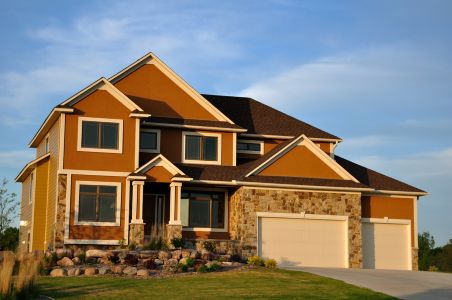
Wondering how long a custom home takes in Northwest Florida? A realistic custom home construction timeline usually spans several months, and it can stretch longer based on design choices, weather, and permitting. If you are comparing builders or mapping out your plan, start by reviewing what’s included in true custom home builds and how the schedule typically flows in our coast-to-coast climate.
This guide walks through each phase, shows where delays often happen in Pensacola and nearby communities, and shares simple planning moves that keep your new home build process in Pensacola steady and predictable.
What A Realistic Custom Home Timeline Looks Like
Every home is unique, but most projects follow the same path. The ranges below are typical for Northwest Florida and assume a single-family home with average customization. Actual timing varies by home size, material availability, and season.
Pre-Design And Site Discovery: 2–6 Weeks
Your builder gets to know your goals, the lot, and your must-haves. Expect site walks, utility checks, and early budget alignment so the plan fits the land.
Design And Selections: 6–12 Weeks
You’ll work through floor plans, elevations, structural direction, and early selections. Finalizing cabinets, windows, roofing, and exterior finishes early reduces surprises later.
Permitting And Approvals: 2–8 Weeks
Permitting timelines depend on jurisdiction and submission completeness. Submitting a clean, coordinated set and responding quickly to comments can shorten the wait.
Site Prep And Foundation: 4–8 Weeks
Clearing, grading, drainage, and foundation formwork happen here. Sandy soils are common along the Gulf, and crews plan for compaction, footings, and inspections before the slab pour.
Framing To Dry-In: 4–8 Weeks
Walls, roof framing, sheathing, and windows take the structure to “dry-in.” Getting dried-in before a stormy stretch protects materials and keeps rough-ins moving.
Mechanical, Electrical, And Plumbing Rough-Ins: 4–8 Weeks
Trade partners run lines, set tubs and shower pans, and place HVAC equipment. Coordination and inspection timing are key during this stage.
Insulation, Drywall, And Exterior Finishes: 4–8 Weeks
Insulation goes in, then drywall, followed by exterior cladding and roofing completion. Interior begins to take shape, and weather exposure drops.
Interior Trim, Cabinets, Flooring, And Paint: 6–12 Weeks
Finish stages are detail-heavy. Lead times for cabinets, tile, and specialty fixtures can stretch this window, so ordering early helps.
Final Fixtures, Punch List, And Move-In: 2–4 Weeks
Appliances, mirrors, shower glass, and final paint touch-ups happen now. You’ll complete a homeowner orientation, final inspections, and closeout documents.
Planning around summer storms can protect your schedule. Aim to dry-in before the heart of hurricane season and build some weather buffer into your framing and roofing weeks.
Local Factors That Speed Up Or Slow Down A Build In Pensacola
Northwest Florida offers warm weather and sandy soils, but our coastal environment adds a few timing considerations. Here are common factors that influence a Pensacola-area schedule:
- Weather windows: Heavy rain or a tropical system can pause site work, foundation pours, and roofing.
- Trade availability: Busy seasons mean subcontractor calendars fill quickly. Lock in your builder early.
- Supply chain: Windows, doors, and specialty finishes sometimes have longer lead times. Approve them sooner.
- Lot conditions: Clearing, utilities, setbacks, and drainage all affect how fast site work begins.
- Design complexity: Vaulted ceilings, large spans, and custom details require more coordination.
- Change orders: Midstream changes almost always add days. Freeze selections before ordering to protect your timeline.
How To Plan Your Schedule Without Stress
Start with a clear vision, then build momentum by making early decisions. These planning moves help the custom home construction schedule stay on track:
- Create a short list of must-haves and nice-to-haves so the design balances wants and budget.
- Approve structural choices and exterior finishes first, then lock in windows, doors, and roofing.
- Order long-lead items as soon as plans are permit-ready to avoid delivery surprises.
- Choose a builder who shares a written schedule and updates it weekly.
- Expect weather buffers, especially for foundation and roofing stages.
- Keep communication simple with one primary decision-maker at home.
If you want a full-service partner from concept to keys, work with a trusted local home builder who maps the steps, manages selections, and keeps you informed. For a deeper dive into scope and options, review our approach to custom home construction and how it adapts to your lot and lifestyle.
Sample Month-By-Month At A Glance
This example is not a promise, but it shows how a typical custom home might progress in Northwest Florida when selections and approvals are timely.
- Month 1: Pre-design, site discovery, and concept plan.
- Month 2–3: Design development and core selections.
- Month 3–4: Permit submission and long-lead orders.
- Month 4–5: Site prep, utilities, and foundation.
- Month 5–6: Framing and dry-in.
- Month 6–7: MEP rough-ins and inspections.
- Month 7–8: Insulation, drywall, exterior cladding.
- Month 8–10: Trim, cabinets, tile, flooring, paint.
- Month 10–11: Final fixtures, punch list, and move-in prep.
Homes with highly customized millwork or imported finishes may extend beyond this. Smaller plans with streamlined selections can land on the shorter end of the range.
Pensacola Timing Tips For A Smoother Build
Planning around school calendars, military moves, or lease renewals is common in the Pensacola area. If you aim to move during early summer, target design decisions in the fall, submit permits in winter, and try to dry-in by late spring. That sequence often reduces weather risk during framing and roofing.
Neighborhood and lifestyle also shape timing. Coastal lots can face stronger winds and salt exposure, while inland sites may have more tree work. Keeping selections cohesive and avoiding late changes saves weeks. Simple, durable materials that are locally stocked can keep crews moving and protect your schedule.
How Your Builder Keeps The Timeline On Track
A reliable team will build in buffers where weather and inspections are most likely to shift. Look for a clear weekly update rhythm, documented milestones, and photo tracking so you always know what’s next. It should feel like a steady drumbeat, not a guessing game.
Ask about trade partner capacity, ordering strategy, and how the team handles punch lists. If an issue pops up, fast decisions and a clean process help your custom home construction timeline stay on course.
Before you commit, make sure you understand what is included, how changes are handled, and how often you will be on site. Clarity up front avoids the most common bottlenecks later.
Ready To Map Your Timeline?
When you are ready to turn your ideas into a plan, review our process for custom home builds and see how scheduling, selections, and site prep come together in one simple path.
Talk with Shaffer Construction about your lot, your plan, and your move-in goals. Call 850-554-2329 and let’s map a start date that fits your calendar.
Make Your House Your Home With Our Home Builders & Remodeling Contractors In Pensacola & Surrounding Areas