What to Decide Before Designing Your Custom Home in Pensacola
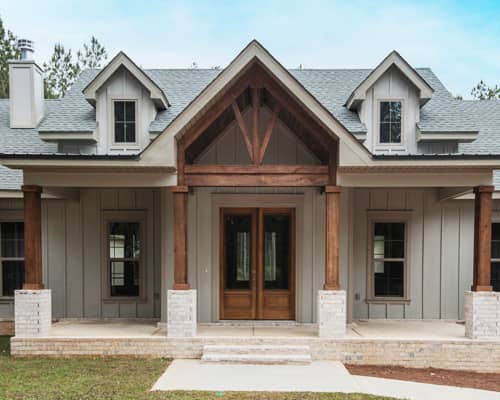
Designing a custom home in Pensacola starts long before anyone pours a slab. The best results happen when you make a few smart decisions early and stick to them. If you want expert guidance from day one, explore our custom home builds so your plan, selections, and schedule stay aligned from the start.
If you are just beginning, bookmark this guide. It will help you choose your lot, shape your layout around daily life, plan for Gulf Coast weather, and set decision milestones so your build moves forward smoothly.
Start With Your Lot, Lifestyle, and Layout
Your lot sets the rules. Sun angles, trees, setbacks, and soil all influence room placement and window size. In neighborhoods like East Hill, North Hill, and Cordova Park, lot shapes can be quirky, which makes early design choices even more important. Think of your floor plan as a map of your everyday routines, not just a drawing of rooms.
Tip: Walk the site in the morning and late afternoon. Notice shade, breezes, and nearby traffic noise. Those details can shape porch locations, bedroom orientation, and window choices.
- Face living areas toward your best view while managing afternoon sun from the west.
- Leave space for drainage paths so rain moves away from the house.
- Plan driveway and garage access that fits narrow or corner lots common around Pensacola’s in‑town neighborhoods.
- Consider storage for beach gear, bikes, and hurricane supplies near the garage or mudroom.
Design rooms around how you live. If your crew spends weekends at soccer fields in Cantonment or afternoons on Bayou Texar, a drop zone with durable flooring near the entry will earn its keep. If you host big family dinners, widen the kitchen work aisles and allow room for a longer table.
Plan for Gulf Coast Weather and Durability
Pensacola’s climate is warm, humid, and windy at times. That means your design should balance views and light with durable, storm‑ready details. Hip or simple gable roofs, continuous load paths, and well‑fastened roof decks all contribute to a stronger home. Ask about impact‑rated windows or approved shutter systems to protect openings.
Do this first: choose your exterior wall system and roof structure before you pick finishes. Those choices drive comfort, schedules, and many downstream selections.
Inside the home, plan for healthy air. A right‑sized HVAC system, balanced ventilation, and smart humidity control keep interiors comfortable through long summers. Place mechanicals where service is easy and protected from salt air.
Map Decision Milestones So Your Build Stays on Track
Custom homes succeed when decisions arrive on time. Create a simple timeline with deadlines for plans, engineering, site layout, and key selections. Clear milestones help your builder order long‑lead items and keep trades moving. If you prefer a managed approach, our construction management support keeps selections, scheduling, and communication coordinated.
Make These Choices Early
- Floor plan, roof shape, and exterior wall system
- Window and door type, sizes, and general locations
- Appliance package footprints and ventilation needs
- Primary plumbing locations to avoid late framing changes
Decisions That Can Follow Framing Start
- Interior trim profiles and door styles
- Cabinet finishes and hardware after cabinet layouts are set
- Decorative lighting once electrical plan is locked
Set decision deadlines with your builder and share them with every vendor. A simple calendar prevents last‑minute substitutions and helps everyone stay aligned.
Shape Your Floor Plan Around Real Life
Open living areas are popular around Pensacola, but define zones so sound and sightlines work for your family. Place the main suite away from street noise. If you work remotely, carve out a quiet office with door placement that limits distractions. A scullery or pantry can hide countertop appliances and make entertaining feel effortless.
Think storage first. Tall closets for fishing rods, a mudroom bench for beach towels, and a utility sink by the garage simplify coastal living. In homes near Perdido Key or Gulf Breeze, add space for coolers and outdoor gear close to exterior doors.
Choose Finishes That Handle Heat, Sun, and Sand
Floors should be easy to clean and resistant to humidity. Consider tile or high‑performance luxury vinyl in busy zones and entryways. Specify durable exterior materials that resist salt air and bright sun. Simple fascia and trim details often last longer and look crisp against coastal light.
Plan lighting layers. Combine ambient, task, and accent lighting so kitchens and baths feel bright without glare. A dimmer at the dining area and under‑cabinet task lighting make everyday meals and special occasions feel different without changing the room.
Budget Guardrails That Protect Your Vision
Every choice affects cost and schedule. The exact total varies by size, materials, and season, so focus on value rather than specific numbers. Put more of your budget into structure and building envelope first. You can always upgrade a pendant later, but changing window packages or insulation after framing is not practical.
Group selections by priority. If outdoor living is your thing, spend on a covered porch ceiling, fans, and a low‑maintenance deck surface. If cooking is your passion, allocate more to ventilation, work surfaces, and storage.
Avoid scope creep. Minor add‑ons multiply fast. Keep a short wish list for extras and decide only after the essentials are approved.
Design for Energy Efficiency and Everyday Comfort
Pensacola’s humidity means comfort depends on more than just a thermostat number. Ask about air sealing, attic insulation methods, and window performance. Shading on the west side reduces heat gain in late afternoons. Ceiling fans help, but they do not replace smart HVAC design and balanced airflow.
Place water heaters close to high‑use baths and the kitchen to reduce wait times, and consider a dedicated outlet for a future whole‑home generator if backup power matters to you.
Plan Outdoor Spaces You Will Use
Design porches and patios to catch shade and breezes. Screened spaces extend your living area when mosquitos show up after summer rain. If the lot allows, align outdoor dining with the kitchen and keep a clear path to the backyard so moving trays and coolers is easy.
Coordinate Style With the Neighborhood
East Hill and North Hill favor classic forms with generous porches, while newer areas in Beulah or Pace may welcome more contemporary looks. You can nod to local character with rooflines, window patterns, and porch details while still making the home your own. Simple, well‑proportioned design choices tend to age better than trends.
Hire the Right Team and Communicate Often
A good builder explains trade‑offs clearly and helps you make confident decisions. Look for transparent communication, documented timelines, and a straightforward selections process. If you want a guided start, review our approach to custom home builds and see how design choices translate into a clear path from concept to completion.
If you want a quick overview of possibilities, start at our home page. You can explore custom home design in pensacola ideas, then return to this guide to finalize your plan.
Ready to Design Your Custom Home in Pensacola?
When you are ready to take the next step, connect with Shaffer Construction to refine your plan and timeline. Call us at 850-554-2329 or sit down with our team to align your lot, layout, and selections. Your next move is simple and low stress.
Start with structure, set decision deadlines, and protect your schedule. Those three habits keep your build on time and your design intact. To see how we make it happen locally, explore our approach to custom home builds and bring your vision to life with confidence.
Make Your House Your Home With Our Home Builders & Remodeling Contractors In Pensacola & Surrounding Areas